
The Role of Regular Tree Maintenance in Safeguarding Public Services
Trees are vital to our environment, providing shade, beauty, and air quality benefits. However, unchecked tree growth can pose significant risks to infrastructure and utilities. Branches may interfere with power lines, causing outages, or block important signs and signals. In emergencies like storms, fallen trees can damage property and roads. To mitigate these risks, proactive tree management becomes essential. Regular maintenance ensures that trees coexist safely with infrastructure, preventing costly damages and disruptions.
Benefits of Professional Tree Management
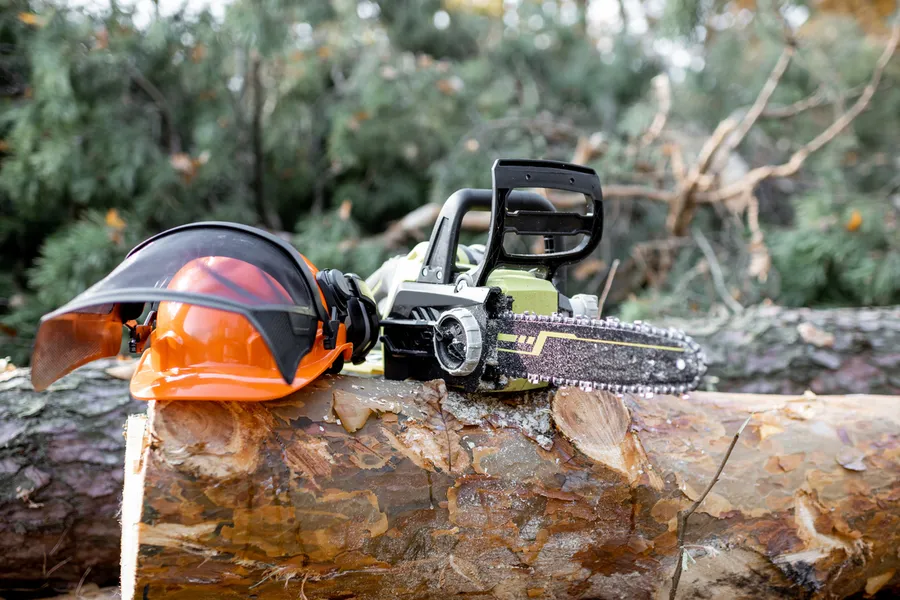
Enlisting a professional tree cutting service offers several advantages for communities and businesses alike. Skilled arborists understand tree growth patterns and the specific needs of different species. By trimming branches and managing root systems, they prevent potential hazards before they occur. This proactive approach not only protects utilities but also enhances the health and longevity of trees themselves.
Common Challenges in Urban Areas
Urban environments present unique challenges for maintaining trees near infrastructure. Limited space often results in trees growing too close to buildings and utility lines. Additionally, pollution and compacted soil can weaken trees, increasing the likelihood of limbs breaking. A tree cutting service can address these issues by regularly inspecting trees and advising on strategic planting locations to minimize future conflicts.
Effective Solutions for Risk Mitigation
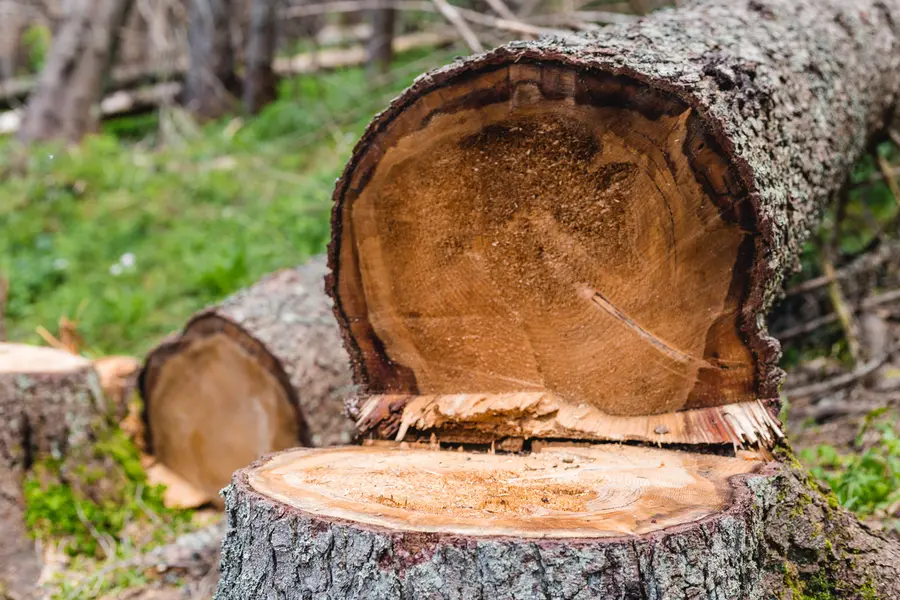
There are several strategies to reduce risks posed by trees to infrastructure. First, regular inspections help identify at-risk trees early. Second, timely pruning removes dead or hazardous branches. Finally, planting the right species in appropriate locations minimizes long-term risks. Engaging a tree cutting service ensures these practices are carried out efficiently and professionally.
- Regular inspections for early hazard detection
- Timely pruning of dangerous branches
- Strategic planting of suitable tree species
Expert Recommendations for Optimal Tree Health
Experts recommend several best practices for maintaining healthy trees while safeguarding infrastructure. It is crucial to select native species that thrive in local conditions, as they require less maintenance and resist diseases better. Consistent watering and mulching support robust root systems. Furthermore, hiring certified arborists for periodic assessments ensures all tree-related activities meet industry standards.
- Select native tree species for planting
- Ensure consistent watering and mulching
- Hire certified arborists for periodic checks
Industry Standards in Tree Care
Compliance with industry standards is critical when managing trees around infrastructure. Regulations often dictate safe distances between trees and utility lines. For example, power companies may have guidelines on how close branches can be to wires. Adhering to these standards prevents legal issues and promotes community safety.
Understanding the Costs Involved
The cost of maintaining trees varies based on several factors, including tree size, location, and required services. Investing in regular care reduces long-term expenses by preventing extensive damage repairs. The return on investment includes fewer disruptions and enhanced aesthetic appeal, which can increase property values over time.
Contact Us for Reliable Tree Care Solutions
If you’re concerned about protecting your infrastructure while preserving beautiful landscapes, partnering with a trusted provider is key. At DTD Trucking, we specialize in comprehensive tree care solutions tailored to your needs. Located in New Orleans, LA, our team offers expert advice on maintaining healthy ecosystems alongside public utilities. Call us at (504) 217-9568 today to ensure your properties remain safe and visually appealing.